
Kratom & 7-OH
Why the FDA and CDC are sounding the alarm about a once-obscure opioid on convenience-store shelves
Introduction
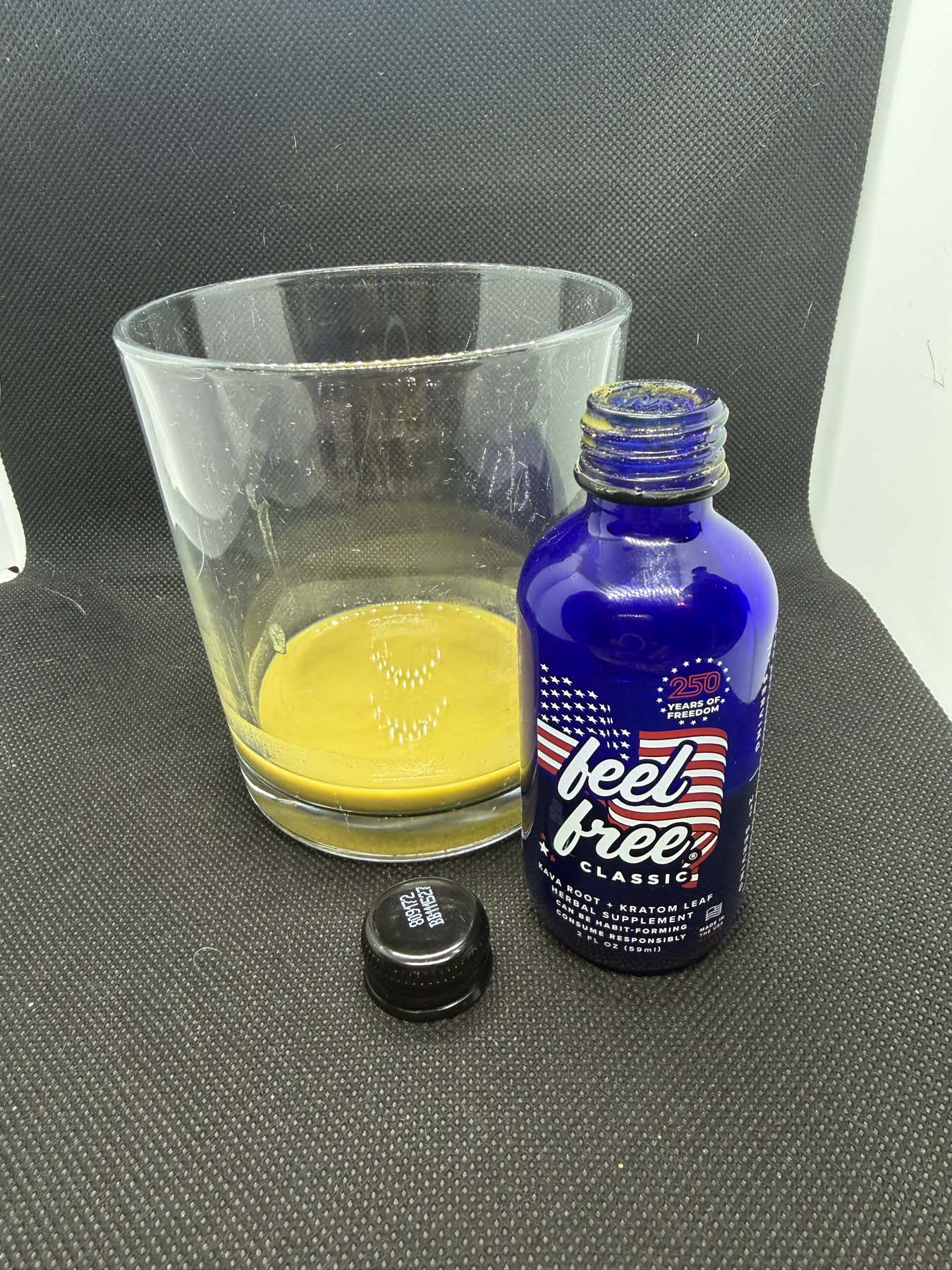
Walk into gas stations, vape shops, or convenience stores and you will find a wall of colorful pouches, shots, gummies, drinks, and tablets. Among the fastest-growing segment is kratom and its concentrated derivative, 7-OH. Most people have never heard of either. But federal regulators are warning that one of them could drive “the next wave of the opioid epidemic.”
This brief covers the basics: what these products are, who uses and sells them, why agencies like the FDA and CDC are concerned, and why the debate about them has gained momentum. One Chance to Grow Up’s questions are always the same: how does this impact kids, and what can parents and trusted adults do to protect them?
At a Glance
- Sold as
- Kratom, Mitragynine, Mitragyna speciosa, “7,” 7-Hydroxy, 7-OHMG, “kratom extract,” “enhanced leaf”
- What it does
- Whole-leaf kratom is a stimulant at low doses and sedating at high doses. 7-OH has roughly 13x the potency of morphine
- Common forms
- Capsules, powders, teas, “energy” shots, gummies and chewables, flavored drink-mix sticks, sodas, tablets
- Where it’s sold
- Gas stations, convenience stores, vape and smoke shops, kava bars, and online —often with no enforced age limit
- Legal status
- Not FDA-approved and not federally scheduled. DEA issued notice of intent in July 2026 to place concentrated 7-OH in Schedule I; a growing number of states have enacted their own bans or restrictions
- Youth Impact
- Sold in candy-like packaging with no age verification. The adolescent brain is especially vulnerable to opioid dependence
What is kratom?
Kratom is the common name for Mitragyna speciosa, a tropical evergreen tree in the coffee family native to Southeast Asia. Its leaves have been chewed or brewed for centuries to fight fatigue and dull pain, relying on small amounts of naturally occurring chemicals. In the United States it has recently gained traction marketed as a “natural” aid for energy, mood, focus, pain, and even as a remedy for opioid withdrawal. It is commonly sold as capsules, powders, gummies, teas, sodas and “energy” shots.
The plant’s effects come from its alkaloids. The dominant one, mitragynine, acts on multiple systems in the body and, in traditional leaf form, carries a relatively low risk at typical doses. Roughly two million Americans reported using kratom in 2024. Kratom sits in a regulatory gray zone: not an FDA-approved drug, not a federally scheduled controlled substance, and largely sold as if it were a dietary supplement or “wellness botanical.” Some users report adverse effects including anxiety and addictive symptoms, but most reports of extreme adverse effects come from a synthesized derivative of the leaf called 7-OH.
What is 7-OH — and why is it different?
7-OH is short for 7-hydroxymitragynine, a second alkaloid. It occurs naturally in kratom leaf only in trace amounts (roughly 0.003–0.04%). 7-OH is a powerful opioid: research places it at about 13 times the potency of morphine. Unlike whole-leaf kratom, it acts almost exclusively on opioid receptors. The FDA describes it plainly as “a potent opioid by design.”
The 7-OH products flooding stores are synthesized chemically, much like the process by which intoxicating amounts of THC are derived from hemp. Laboratory analysis of products labeled “kratom extract” found 7-OH at concentrations achievable “only by synthetic means” alongside byproducts not found in nature. These are semi-synthetic opioid products wearing a botanical label.
“One study found 7-OH to be 13 times more potent than morphine.” — U.S. Food & Drug Administration, 2025
Making matters worse, some leaf products are “spiked” or “enhanced” with added 7-OH, sometimes as much as 500% more than would ever occur naturally. A shopper reaching for “natural kratom” may unknowingly buy a concentrated opioid. Independent testing found products routinely contained more 7-OH than their own labels claimed, with levels varying widely even between packages of the same brand, meaning consumers cannot rely on label statements.
Why the FDA, CDC, and others are concerned
In July 2025, then-FDA Commissioner Dr. Marty Makary took the step of issuing a “Dear Colleague” letter to physicians warning about 7-OH, calling it “an opioid that few physicians may be aware of.” The FDA frames 7-OH as a potential next wave of the opioid epidemic, after prescription pills, heroin, and fentanyl. Reported effects include addiction and dependence, withdrawal, liver toxicity, insomnia and anxiety, seizures, and (like other opioids) fatal respiratory depression.
A March 2026 CDC report found kratom-related calls to U.S. poison centers rose roughly 1,200% in a decade, from 258 in 2015 to a record 3,434 in 2025. Over those years poison centers logged 14,449 kratom exposures and 233 kratom-associated deaths.
Regulators also stress there is no safe swap between substances. Kratom and 7-OH are not FDA-approved treatments for pain, anxiety, depression, or opioid withdrawal, and are not interchangeable with prescription antidepressants or opioids (especially without a physician’s input). However, many kratom and 7-OH products market themselves that way, claiming to give people freedom from “big pharma” and the medical system. In reality, many individuals end up becoming dependent on kratom and 7-OH, which are produced without any of the regulations and testing major pharmaceuticals are required to meet.
Why this is a youth issue
What sets 7-OH apart from the last opioid wave is where it is sold. These products aren’t coming from a prescription pad or even a back-alley dealer. 7-OH is found on shelves at gas stations, convenience stores, vape shops, and online, with unverified health claims, and in many places, no enforced age limit. It is frequently dressed up to look like a sweet, formulated as gummies, chewables, flavored drink mixes, even ice-cream-cone-shaped products. The FDA’s own warning is blunt: these products can be bought “as easily as buying candy.”
This is exactly the pattern One Chance to Grow Up also warns about with intoxicating hemp and cannabis products. Kid-friendly packaging is dangerously deceptive. The adolescent brain is especially vulnerable to addiction and harm from opioids and other substances, and young people face a higher risk of developing dependence.
What this looks like on the shelf
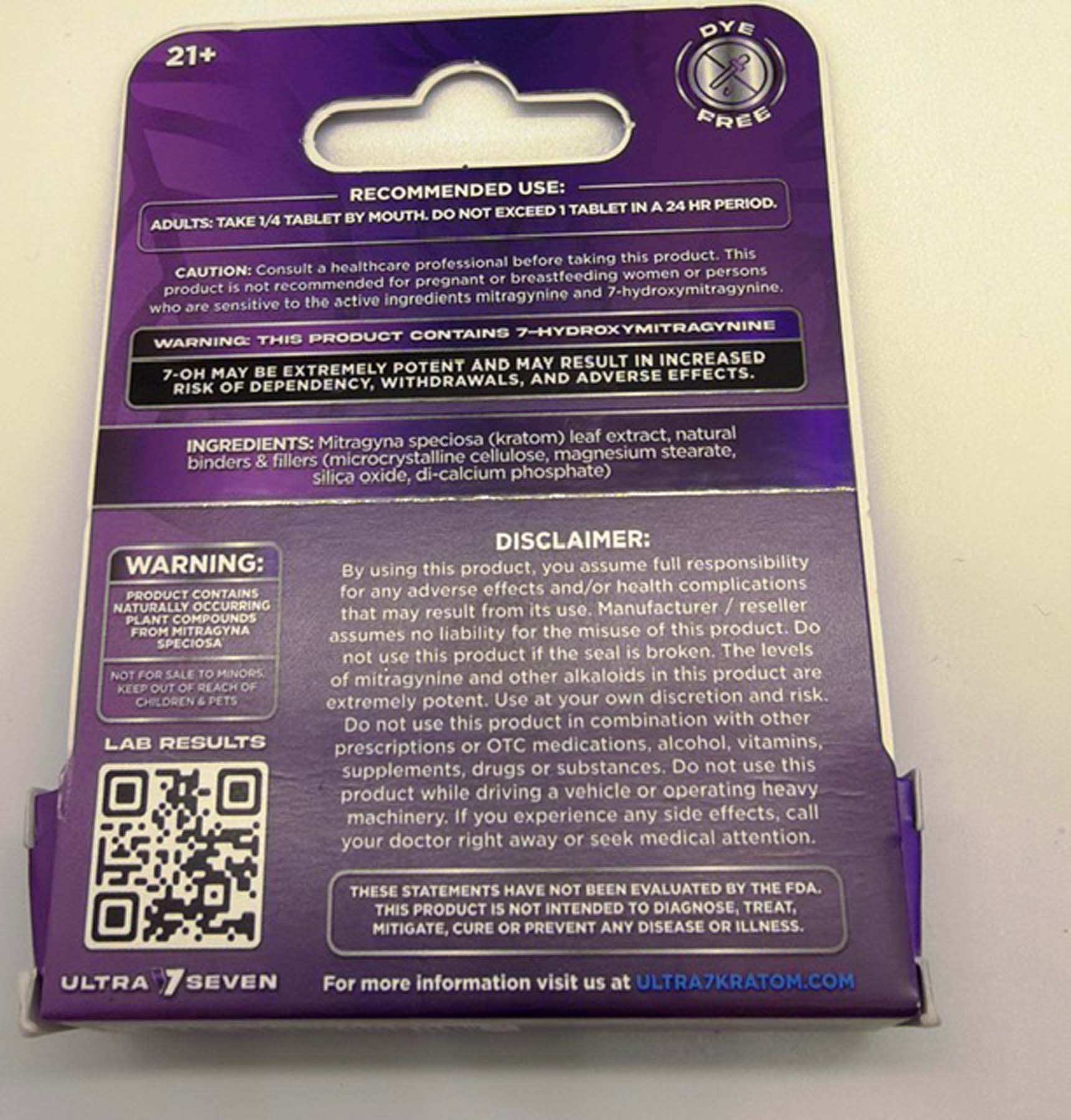
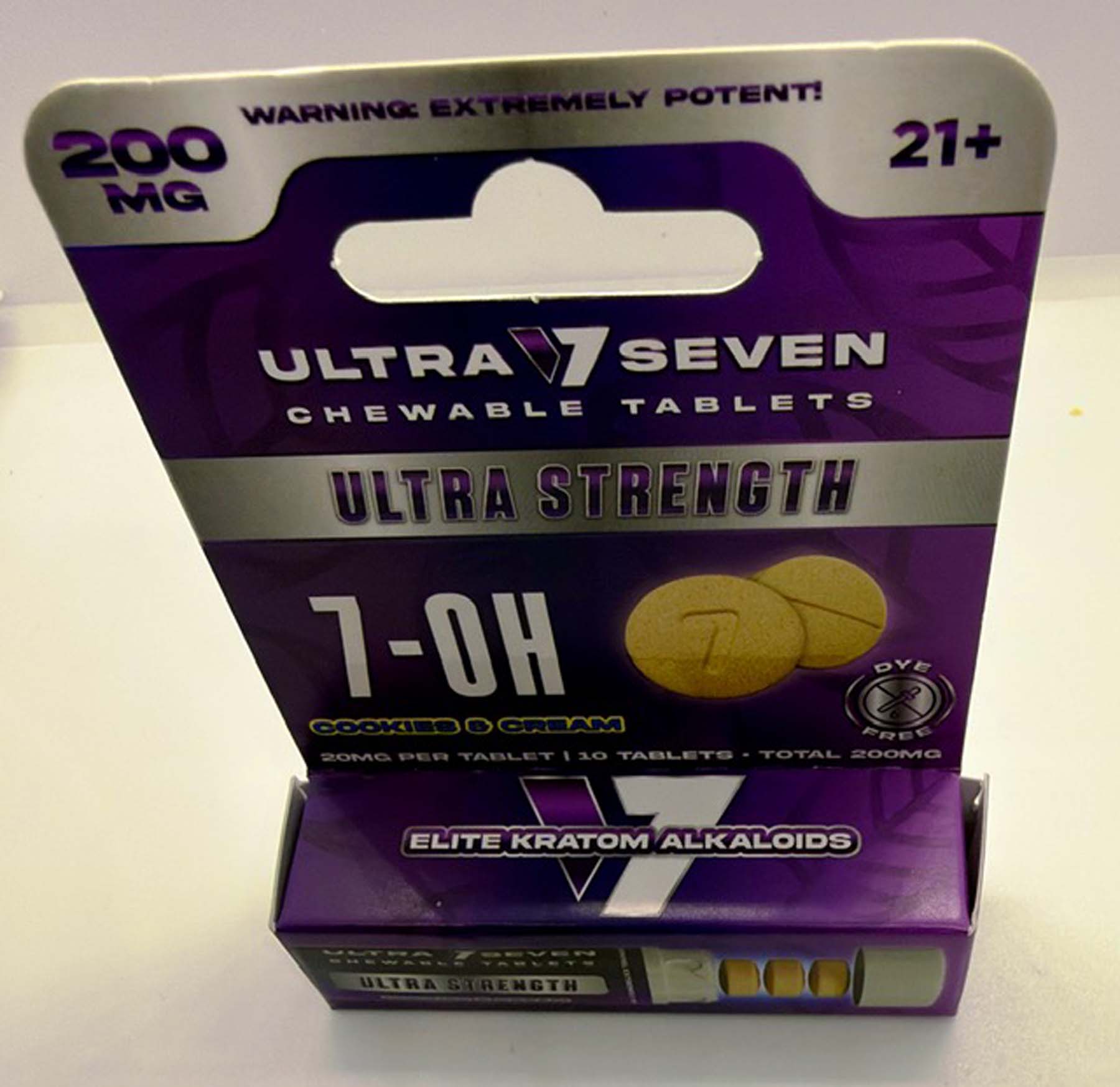
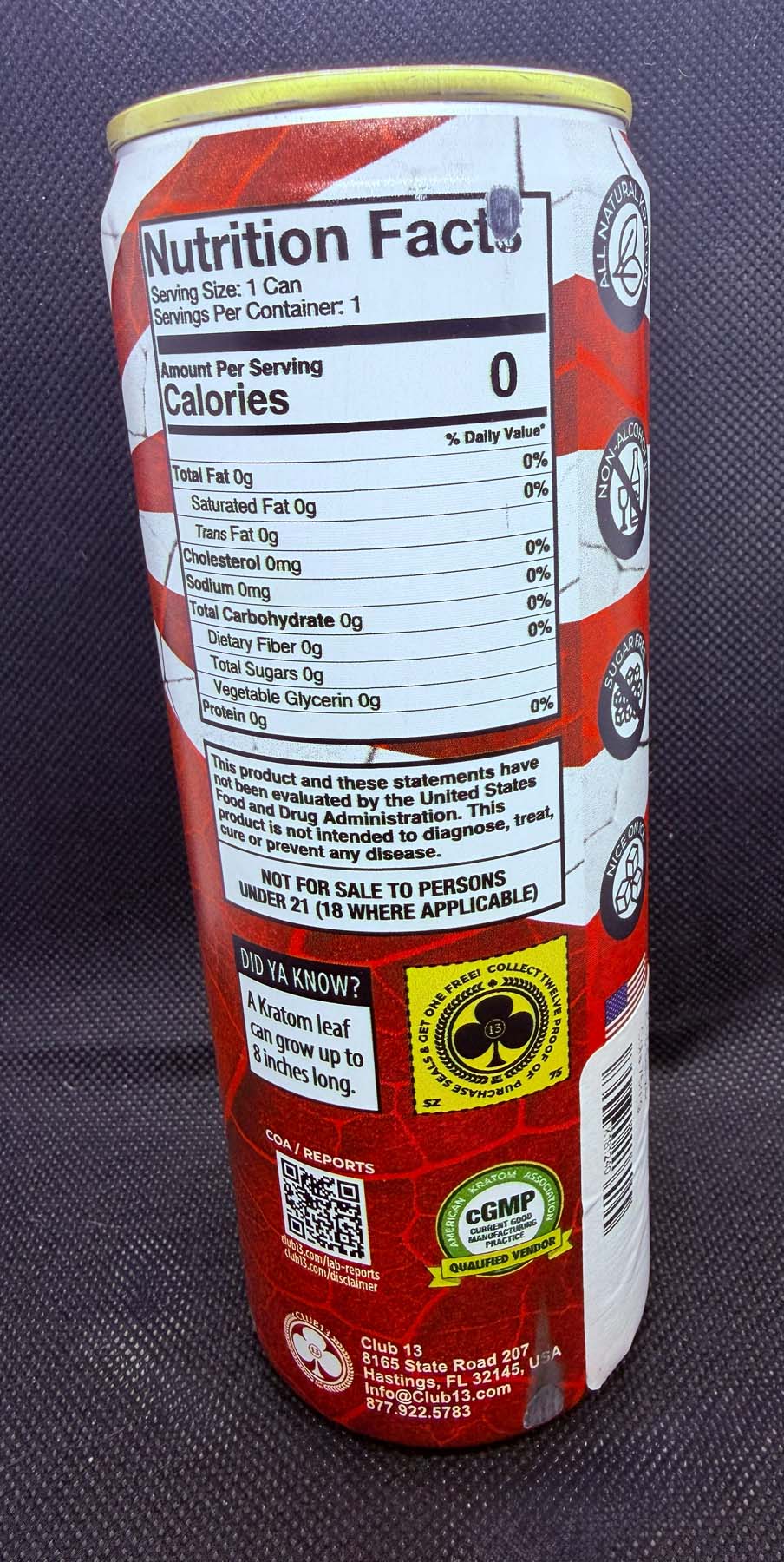
A debate with growing momentum
Public awareness is climbing fast on the topic of kratom. In May 2026, HBO’s Last Week Tonight with John Oliver devoted a main segment, titled “Gas Station Drugs,” to kratom and 7-OH, noting users who spent as much as $100,000 in a single year on a 7-OH habit. A June 2026 Health Affairs analysis called kratom’s rise “a dangerous and familiar pattern,” warning that a well-funded industry is repeating the tobacco and opioid playbook: overstating safety, downplaying risk, and resisting regulation.
Government action is accelerating too. On July 1, 2026, the DEA issued notice of intent to temporarily place concentrated 7-OH (above a low threshold) into Schedule I (the same category as heroin). The order is expected to take effect no earlier than August 2026 and targets concentrated and synthetic 7-OH, not the natural leaf. Meanwhile, states from Kansas and Tennessee to Connecticut and New York have enacted bans or restrictions, often with bipartisan votes.
Scientists and regulators increasingly draw a line between traditional kratom leaf, with its long history of use, and the concentrated, semi-synthetic 7-OH products. Conflating the two, experts warn, could actually muddy the policy response.
What parents and trusted adults can do
- Look at what is actually on the shelf: Go into local stores, see what is being sold behind and beside the counter, and photograph it. Firsthand documentation moves school boards, city councils, and legislators.
- Know the terminology: “7,” 7-OH, 7-Hydroxy, 7-OHMG, “extract,” and “enhanced” all signal a concentrated opioid. Label claims cannot be relied on and products can contain wildly different amounts of intoxicating product, or different chemicals entirely.
- Talk with kids about the disguise, not just the drug: Fruit-punch drink sticks and gummies are designed to look harmless. The products are also marketed as wellness items, but are not backed by high-caliber medical research and can actually prove dangerous
- Know that there is no safe swap between substances: These are not approved treatments for pain, anxiety, depression, or opioid withdrawal, and cannot be interchanged with prescription treatments.
- Reach out to law enforcement and elected officials: Ask questions about pending federal scheduling action and your state’s status, and engage local retailers on age verification.
Kratom and 7-OH sit with intoxicating hemp and nitrous oxide in the category of Gas Station Drugs, often sold by the same companies. The advocacy model that took action on closing the intoxicating hemp loophole applies here too. Dangerous new products will require that we remain vigilant and address emerging dangers to kids.
The Bottom Line
- 7-OH is a semi-synthetic opioid, with roughly 13x the potency of morphine, sold in many states as a “natural kratom” or “wellness” product.
- It sits on gas-station and convenience-store shelves as well as online, often in candy-like packaging, frequently without age limits.
- Poison-center calls and deaths are rising and the FDA warns 7-OH could fuel the next opioid wave.
- Federal scheduling and state action is advancing with broad bipartisan support.
- The goal must be regulation plus education to keep these products away from kids.
Sources
- FDA, “Dear Colleague” letter on 7-OH (Commissioner M. Makary), July 29, 2025 — fda.gov/7-OH
- FDA, “Preventing The Next Wave of the Opioid Epidemic: What You Need to Know About 7-OH,” 2025
- FDA, “FDA Takes Steps to Restrict 7-OH Opioid Products Threatening American Consumers,” news release
- CDC, MMWR, “Increases in Kratom-Related Reports to Poison Centers — National Poison Data System, US, 2015–2025,” Mar 26, 2026; 75(11):139–145
- Brown P.N. et al., “Elevated 7-Hydroxymitragynine Levels Found in Products Misbranded as Kratom,” J. AOAC International, 2026;109(1):124–130
- Oster, Richter & Kaufman, “The Rise of Kratom: A Dangerous and Familiar Pattern,” Health Affairs Forefront, Jun 15, 2026
- DEA, “DEA to Temporarily Schedule 7-OH and Related Substances,” Jul 1, 2026; Federal Register notices of intent, Jul 6, 2026
- Last Week Tonight with John Oliver, “Gas Station Drugs” (HBO), May 2026
- Florida Trident, “Kratom: Advocates Tout Its Properties, but Legislators Want Strict Warnings,” 2025; QuickMD / Rockefeller Institute state-law trackers, 2026
Stay in the loop
Stay ahead of new products reaching the shelves.
Get plain-language updates from One Chance to Grow Up on Gas Station Drugs including what's being sold, what to watch for, and what you can do about it.
Sign Up for Updates